
Artificial intelligence is no longer just a futuristic technology that companies experiment with in innovation labs. Businesses are using AI to automate repetitive work, reduce operational waste, improve customer service, and make faster decisions.
The interesting part? Some of the biggest financial benefits are happening behind the scenes.
From detecting manufacturing defects to predicting equipment failures, AI is helping companies address expensive problems that traditional software and manual processes often struggle to solve.
But how exactly does AI save millions of dollars? And which applications are producing measurable business value?
Here are seven practical AI use cases, supported by real-world company examples, that demonstrate how businesses can turn AI implementation into financial results.
Quick Answer: How Does AI Save Companies Millions?
AI saves companies money by reducing labor-intensive tasks, preventing costly mistakes, improving resource allocation, and minimizing operational downtime.
The most significant opportunities often involve:
- Predictive maintenance that prevents expensive equipment breakdowns.
- Intelligent customer service that handles routine inquiries automatically.
- AI-powered supply chain optimization that reduces waste and inventory costs.
- Automated document processing that speeds up administrative work.
- AI-driven quality control that catches defects before products reach customers.
- Fraud detection that identifies suspicious transactions.
- AI-assisted software development that helps engineering teams work more efficiently.
The key takeaway: AI creates financial value when it improves a measurable business process not simply when a company adopts a new AI tool.
1. Predictive Maintenance: Preventing Expensive Equipment Failures

How does AI predictive maintenance save money?
AI predictive maintenance analyzes equipment data to identify warning signs of potential failures before machines break down.
Instead of waiting for equipment to fail or replacing parts according to a fixed schedule, businesses can use AI to estimate when maintenance is actually needed.
This helps reduce emergency repairs, production interruptions, and unnecessary maintenance expenses.
How it works
AI systems can analyze information such as:
- Machine temperature and vibration.
- Pressure and operating speed.
- Historical maintenance records.
- Sensor readings and unusual performance patterns.
- Equipment operating conditions.
When the system detects an abnormal pattern, it can alert maintenance teams so they can investigate before a small issue becomes a major breakdown.
Real-life example: Rolls-Royce
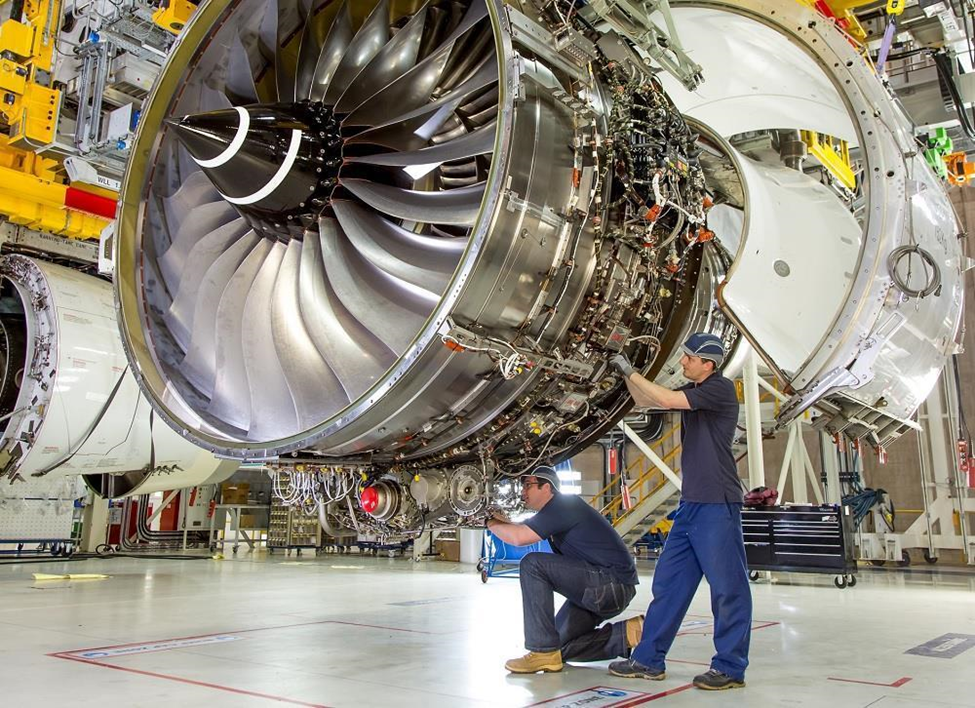
Rolls-Royce uses data analytics and intelligent monitoring to support aircraft engine maintenance and performance management.
Its engine health monitoring capabilities help identify emerging issues and support maintenance planning, allowing operators to make decisions based on engine condition rather than relying exclusively on fixed maintenance intervals.
For airlines, avoiding an unexpected engine-related disruption can help reduce maintenance costs and costly aircraft downtime.
Where companies can apply it
- Manufacturing plants.
- Airlines and aviation maintenance.
- Energy and utilities.
- Logistics fleets.
- Industrial equipment operations.
Business impact: Fewer unexpected breakdowns, better equipment availability, and more informed maintenance spending.
2. AI Customer Service: Handling Thousands of Inquiries Without Expanding Support Teams

How does AI customer service reduce operating costs?
AI-powered customer service tools can automatically handle repetitive customer questions, provide instant answers, and route complex requests to the appropriate human agent.
This reduces the time support teams spend answering the same questions repeatedly.
For example, an AI assistant can help customers check order status, understand return policies, find product information, or troubleshoot common problems.
Real-life example: Klarna

Klarna publicly reported in 2024 that its OpenAI-powered customer service assistant handled approximately 2.3 million conversations in its first month.
According to Klarna, this represented about two-thirds of customer service chats. The company also reported that the assistant performed work equivalent to 700 full-time agents and reduced average resolution time from 11 minutes to under 2 minutes.
These were company-reported results, not an independently audited estimate of net savings. (Klarna, 2024)
The example demonstrates how AI can handle a substantial volume of routine support requests while allowing human agents to focus on more complicated cases.
What businesses can automate
- Frequently asked questions.
- Order tracking and delivery updates.
- Appointment scheduling.
- Basic technical troubleshooting.
- Customer onboarding.
- Initial support ticket classification.
AI chatbot vs. traditional customer support
| Traditional support | AI-assisted support |
| Agents answer routine questions manually. | AI handles suitable repetitive inquiries. |
| Customers may wait for an available agent. | Automated answers can be available around the clock. |
| Staffing needs grow with inquiry volume. | AI can absorb some additional volume without proportional staffing growth. |
| Humans handle most interactions. | Humans focus on complex, sensitive, or escalated cases. |
Important: AI does not eliminate the need for human support. Poorly designed automation can frustrate customers, create incorrect answers, and increase the workload of escalation teams.
3. Supply Chain Optimization: Reducing Waste, Overstock, and Delivery Costs
How does AI supply chain optimization save money?
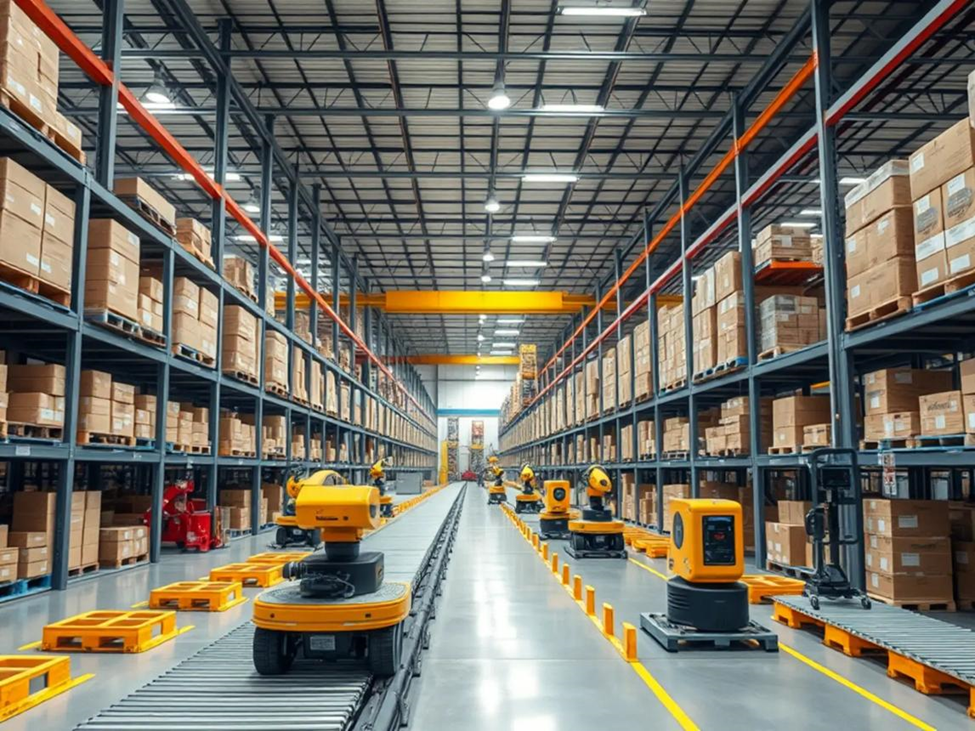
AI helps businesses forecast demand, manage inventory, optimize delivery routes, and respond to supply chain disruptions.
Traditional forecasting often depends on historical averages and manual adjustments. AI systems can analyze a wider range of variables to identify changing demand patterns.
These insights help businesses avoid purchasing too much stock, running out of popular products, or paying unnecessary transportation costs.
Real-life example: UPS
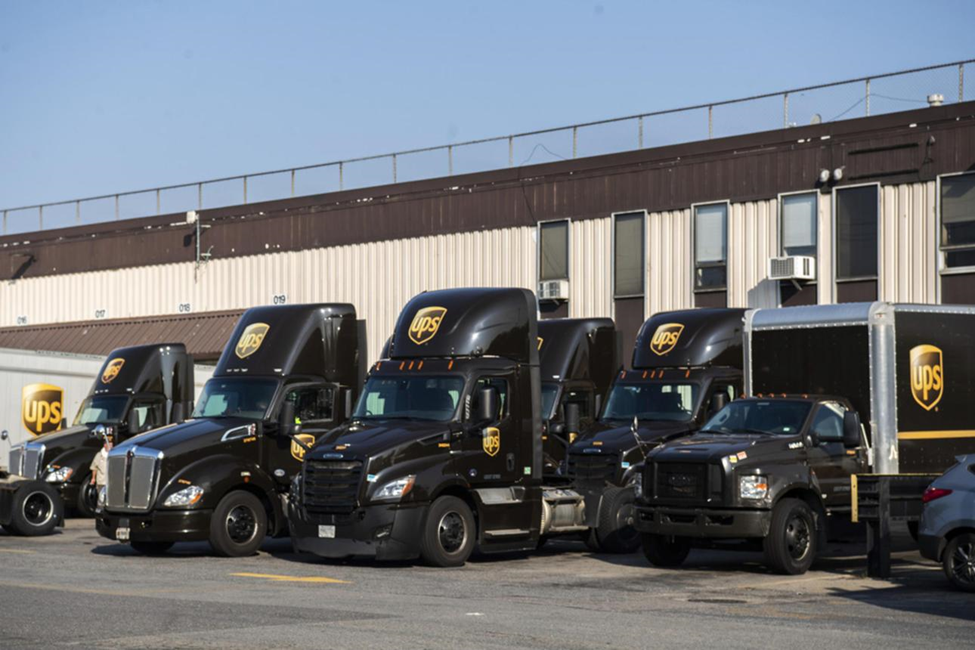
UPS uses its ORION route optimization system to help plan delivery routes for drivers.
The system uses advanced optimization technology to reduce unnecessary driving and improve delivery efficiency. UPS has publicly described substantial annual savings in fuel and operating costs associated with ORION.
ORION is an example of route optimization, not proof that every component is generative AI. It illustrates how intelligent optimization can create significant financial value in logistics.
Where AI can improve supply chains
- Demand forecasting for seasonal products.
- Inventory replenishment recommendations.
- Warehouse staffing and workload planning.
- Delivery route optimization.
- Supplier risk monitoring.
- Identification of slow-moving inventory.
Business impact: Lower inventory carrying costs, fewer stockouts, reduced transportation waste, and better use of working capital.
4. AI-Powered Quality Control: Catching Defects Before They Become Expensive
How does AI quality control reduce manufacturing costs?
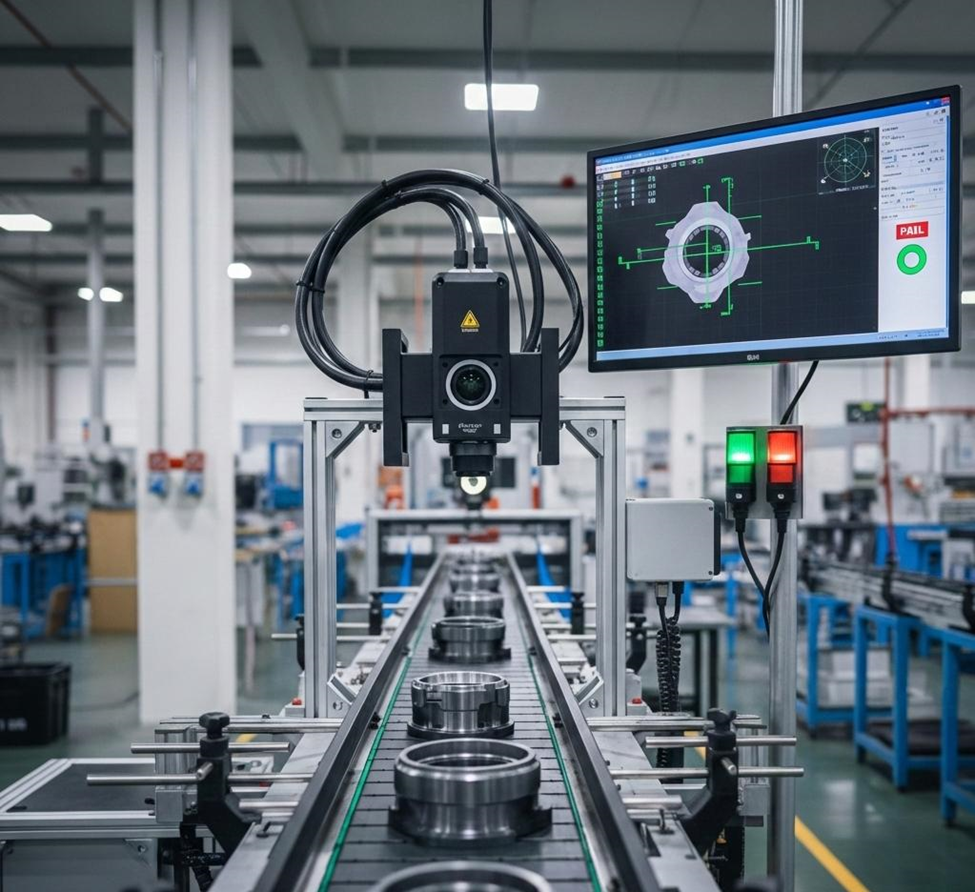
AI-powered quality control uses computer vision and machine learning to identify defects, inconsistencies, and product irregularities during manufacturing.
Instead of relying entirely on manual inspection, companies can use AI systems to examine products and flag potential problems quickly and consistently.
This helps businesses reduce defective products, rework, material waste, and customer returns.
Real-life example: Safran
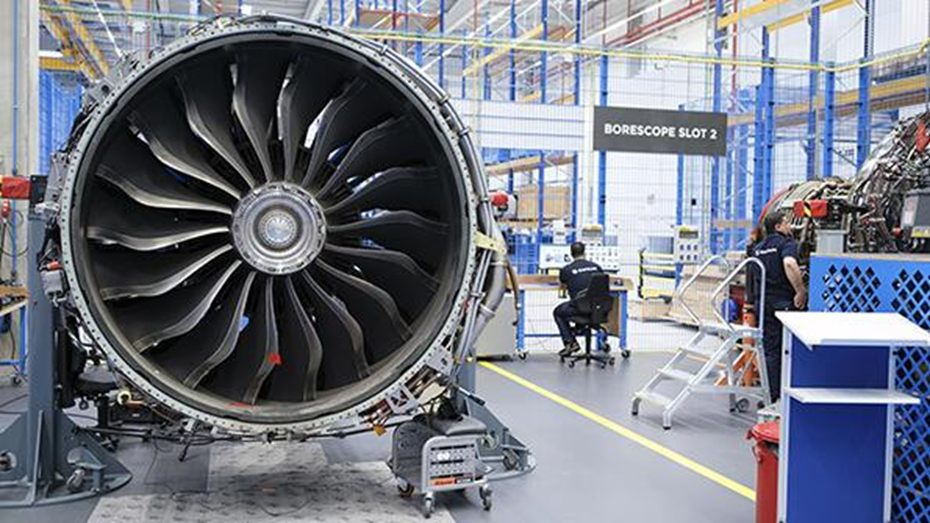
A September 2026 report described how aerospace manufacturer Safran worked with Loopr AI to improve visual inspection of manufactured parts.
The AI system was designed to detect cosmetic defects, including scratches and paint blemishes. The report said inspection time fell from as much as 30 minutes to approximately 5–10 minutes, while production throughput increased by 10–15% in the reported implementation.
This is a useful example of AI addressing a specific, expensive manufacturing bottleneck rather than attempting to automate an entire factory.
Where AI quality inspection is useful
- Automotive parts and assemblies.
- Electronics and circuit boards.
- Food packaging and labeling.
- Pharmaceutical packaging.
- Aerospace components.
- Construction materials.
Business impact: Less rework, earlier defect detection, improved production throughput, and more consistent inspections.
5. Fraud Detection: Stopping Financial Losses Before They Spread

How does AI fraud detection save companies money?
AI fraud detection analyzes transactions and behavioral patterns to identify activity that may indicate fraud.
Traditional rule-based systems often flag transactions based on predefined conditions. Machine learning can also recognize more complex patterns across large amounts of data.
For example, an AI system may identify an unusual combination of transaction amount, location, device behavior, and spending history.
The system can then flag the transaction for review, request additional verification, or trigger an appropriate security process.
Real-life example: Mastercard

Mastercard uses AI and machine learning in its payment security systems to help identify potentially fraudulent transactions.
Payment networks process enormous volumes of transactions, so identifying suspicious activity quickly can help financial institutions respond before losses increase.
For a bank or payment processor, even a small improvement in fraud detection can have meaningful financial implications when applied across a large transaction volume.
What AI can help detect
- Unusual spending patterns.
- Suspicious account activity.
- Potentially fraudulent card transactions.
- Abnormal login behavior.
- Coordinated transaction patterns.
- Possible account takeover attempts.
AI fraud detection vs. traditional rules
| Rule-based detection | AI-assisted detection |
| Uses predefined conditions. | Learns patterns from historical data. |
| Can struggle with unfamiliar fraud patterns. | May identify less obvious patterns. |
| Requires rule updates as behavior changes. | Can be retrained or updated as patterns evolve. |
| Can produce false alarms. | Also produces false alarms and needs oversight. |
Important: AI fraud detection is not perfect. False positives can block legitimate customers, while false negatives can allow fraud to pass through. Human review, monitoring, and clear escalation procedures remain important.
6. AI Document Processing: Turning Hours of Administration Into Minutes

How does AI document processing reduce administrative costs?
AI document processing extracts, classifies, and organizes information from documents such as invoices, purchase orders, contracts, forms, and receipts.
Many organizations still rely on employees to manually read documents, enter data, compare records, and route approvals.
AI-powered document processing can automate suitable parts of this workflow, reducing repetitive administrative work and helping teams process information faster.
A realistic business example
Imagine a company receiving 5,000 supplier invoices every month.
Its accounts payable team must:
- Open each invoice and identify the supplier.
- Extract invoice numbers, dates, and amounts.
- Match invoices against purchase orders.
- Identify missing or inconsistent information.
- Send invoices for approval.
- Update the accounting system.
A document AI system can extract the relevant fields, compare them against available records, and flag mismatches for human review.
Instead of manually processing every invoice from beginning to end, employees can focus on exceptions, approvals, and supplier issues.
This is an illustrative business scenario, not a claim about a particular company’s measured savings.
Where document AI creates value
- Accounts payable and receivable.
- Insurance claims processing.
- Employee onboarding.
- Contract review and classification.
- Loan application processing.
- Purchase order management.
Business impact: Lower manual processing costs, faster document turnaround, fewer data-entry errors, and improved workflow visibility.
7. AI-Assisted Software Development: Helping Engineering Teams Build Faster

How does AI software development reduce costs?
AI coding assistants help software engineers write, explain, test, and debug code.
They can generate code suggestions, create test cases, explain unfamiliar code, and assist with documentation.
This can reduce time spent on certain repetitive development tasks, giving engineers more time to focus on system design, complex bugs, and product improvements.
However, faster code generation does not automatically mean lower total development costs. Code quality, security, testing, and maintenance still matter.
Real-life example: GitHub Copilot
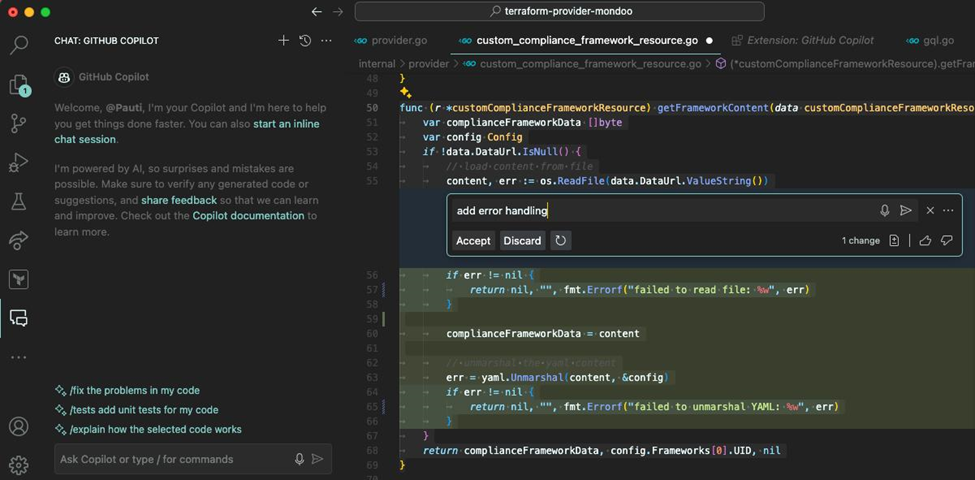
GitHub developed GitHub Copilot to assist developers with coding tasks.
In a controlled experiment involving developers completing a JavaScript HTTP server task, GitHub reported that participants using Copilot completed the task 55% faster than the control group.
That result relates to a specific experimental task. It should not be interpreted as a guarantee that every software team will become 55% more productive or reduce its overall budget by the same percentage.
Practical ways businesses use AI coding tools
- Generate boilerplate code.
- Draft unit tests.
- Explain legacy code.
- Assist with debugging.
- Create technical documentation.
- Support code reviews.
- Speed up routine development tasks.
Business impact: Potentially shorter development cycles, more engineering capacity, and reduced time spent on repetitive coding work.
Which AI Use Cases Can Deliver the Greatest Financial Impact?
The financial impact of AI depends on a company’s size, operating costs, transaction volume, and the problem being solved.
A manufacturing company may benefit most from predictive maintenance, while an e-commerce business may see more value from customer service automation or demand forecasting.
| AI use case | Main cost-saving opportunity |
| Predictive maintenance | Avoid equipment downtime and emergency repairs |
| Customer service AI | Reduce repetitive support workload |
| Supply chain optimization | Reduce inventory and transportation waste |
| Quality control | Prevent defects, scrap, and rework |
| Fraud detection | Reduce losses from fraudulent activity |
| Document processing | Reduce manual administrative work |
| AI-assisted development | Improve engineering productivity |
There is no universal financial winner. The right use case depends on where a business currently loses the most time, money, or resources.
How Can a Business Start Using AI Without Wasting Money?
Companies do not need to automate every department at once. A more practical approach is to start with one clearly defined business problem and measure the results.
A practical 5-step AI implementation plan
- Identify an expensive problem
Find repetitive tasks, costly errors, slow workflows, or operational bottlenecks.
- Measure the current process
Record labor hours, error rates, processing times, downtime, and other relevant costs.
- Choose a focused AI solution
Select a use case that addresses the problem directly, rather than adopting AI simply because it is trending.
- Run a controlled pilot
Test the system on a limited workflow, with appropriate human review and data protection.
- Calculate the actual return
Compare the measured benefits against implementation, integration, licensing, training, and ongoing operating costs.
Final Takeaway: AI Savings Come From Solving Real Business Problems
The companies gaining value from AI are applying it to practical, measurable challenges not simply adding chatbots or generative AI tools to their technology stack.
Predictive maintenance can help prevent expensive breakdowns. AI customer service can handle repetitive inquiries. Intelligent supply chains can reduce waste. Document processing can eliminate manual data entry, while AI-assisted development can help engineering teams complete certain tasks faster.
Real-world examples from Klarna, UPS, Rolls-Royce, Safran, Mastercard, and GitHub illustrate different ways intelligent systems can improve business operations.
But one important distinction remains: operational efficiency is not automatically the same as millions in realized savings. Financial results depend on implementation costs, adoption, accuracy, business scale, and whether efficiency improvements translate into actual financial benefits.
For businesses exploring AI, the practical starting point is simple: identify one expensive problem, test a targeted solution, and measure the outcome before expanding.
Ready to explore AI opportunities for your business?
Designix helps businesses explore custom AI development, AI agents, and workflow automation to improve business processes.
Discover how AI solutions can fit your business goals. Contact Us